
The Brisbane Cross River Rail
Brisbane, QLD
Brisbane, QLD
Architect: HASSELL Studio and Weston Williamson + Partners
Builder: PULSE Consortium
Product: ShapeShell™-RC
Area: 10,000 – 12,000 m²
Application: Facade, Exterior Wall Cladding, and Structural Finishes
Responsibility: Design, Engineer & Manufacture of Feature Elements
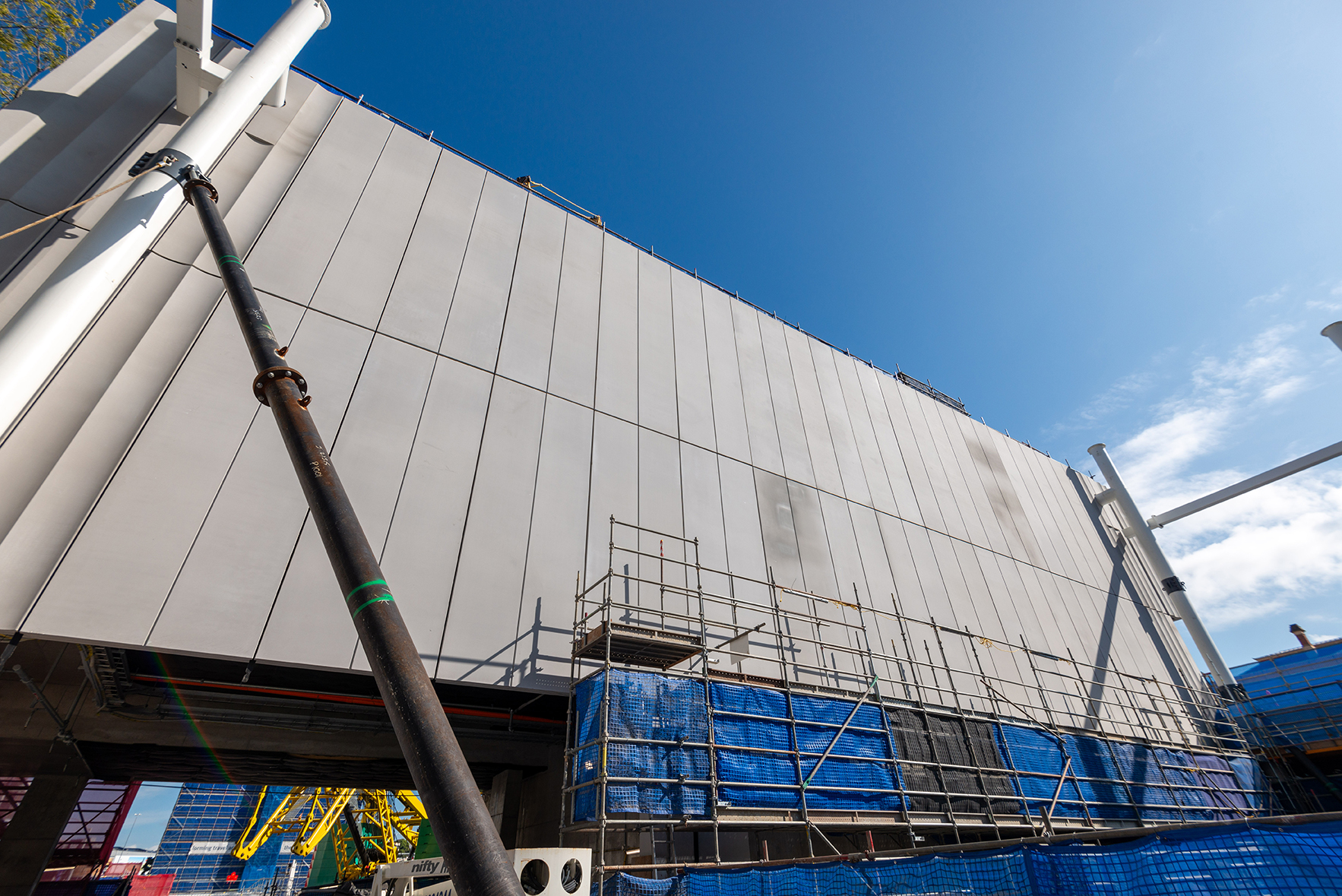
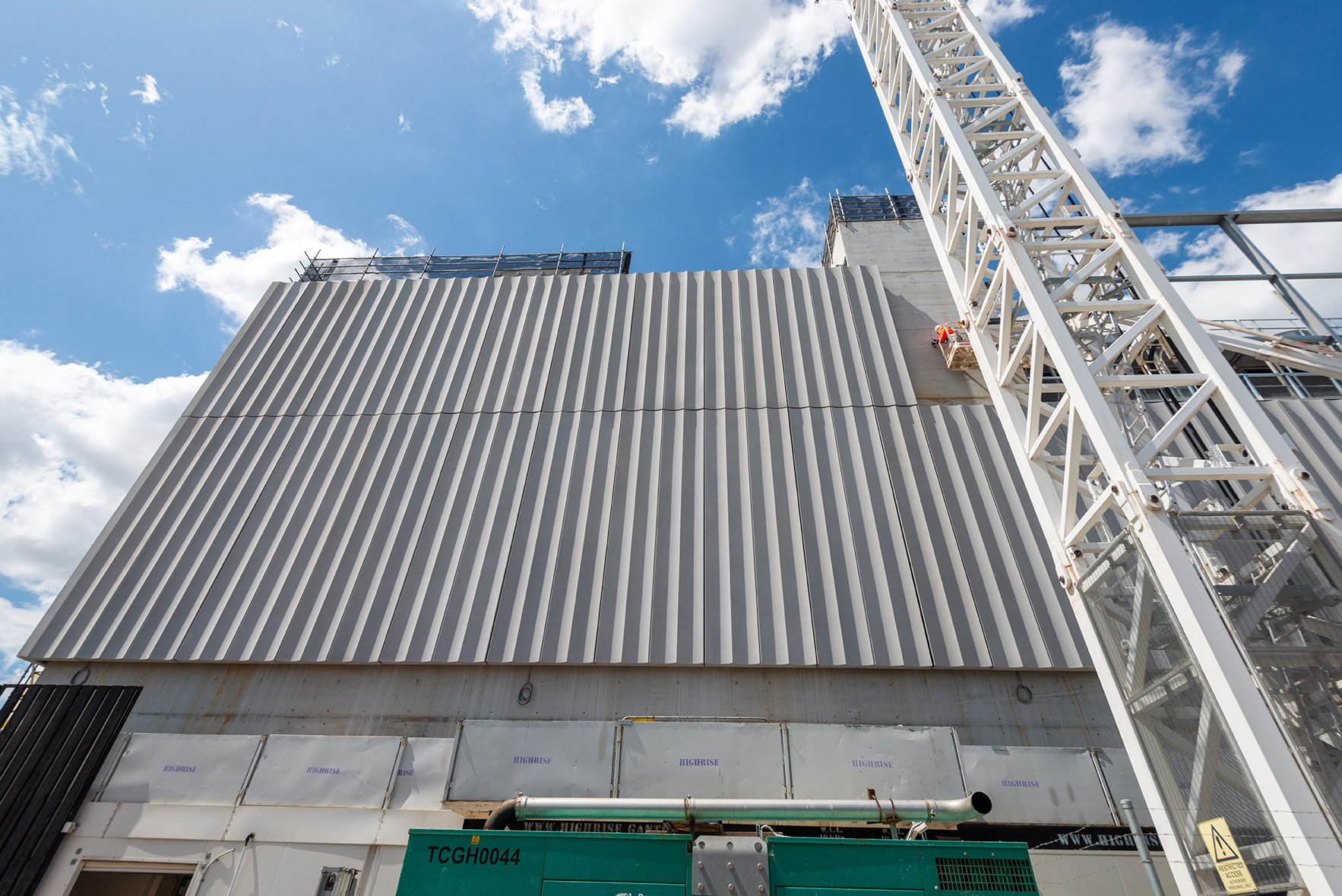
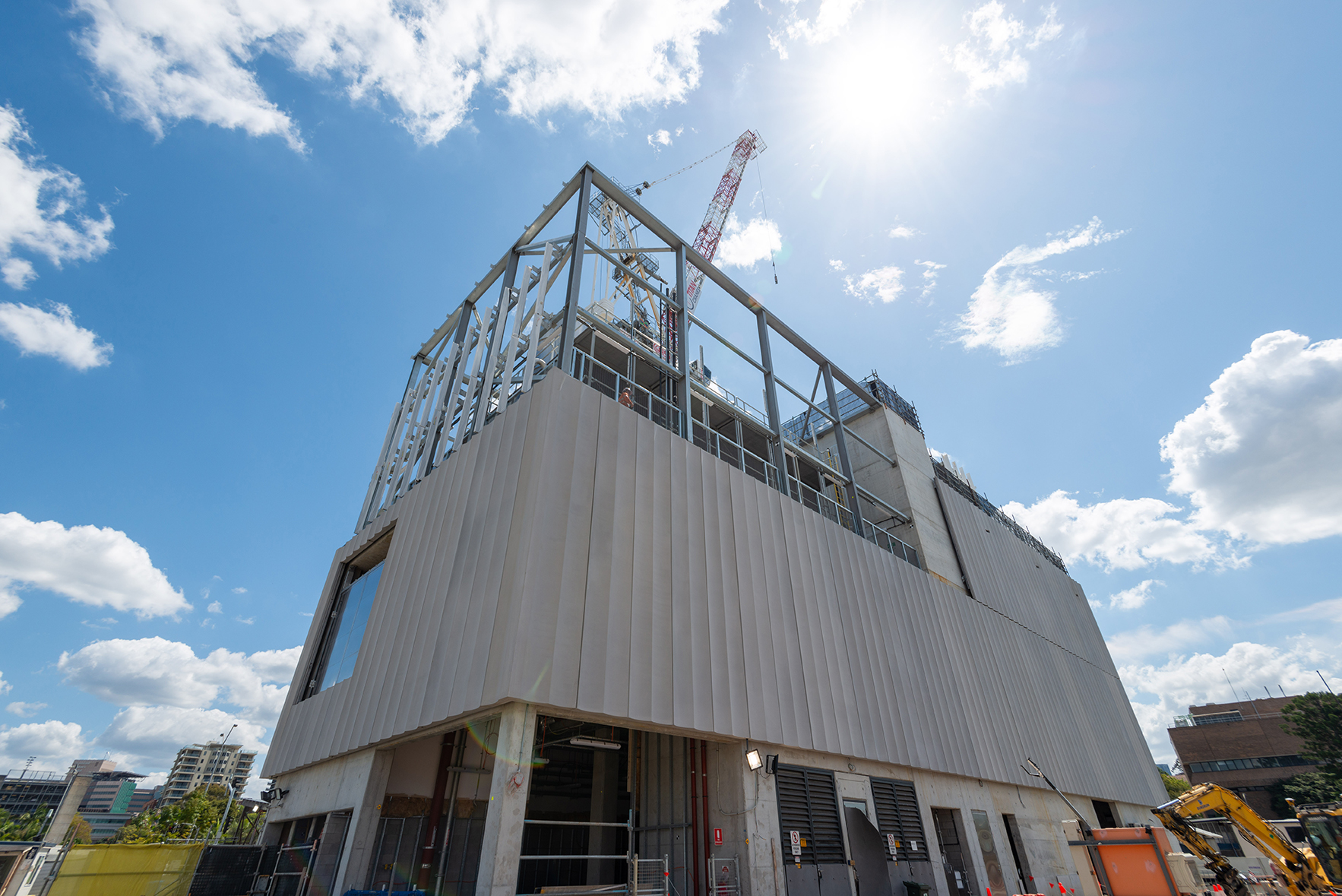
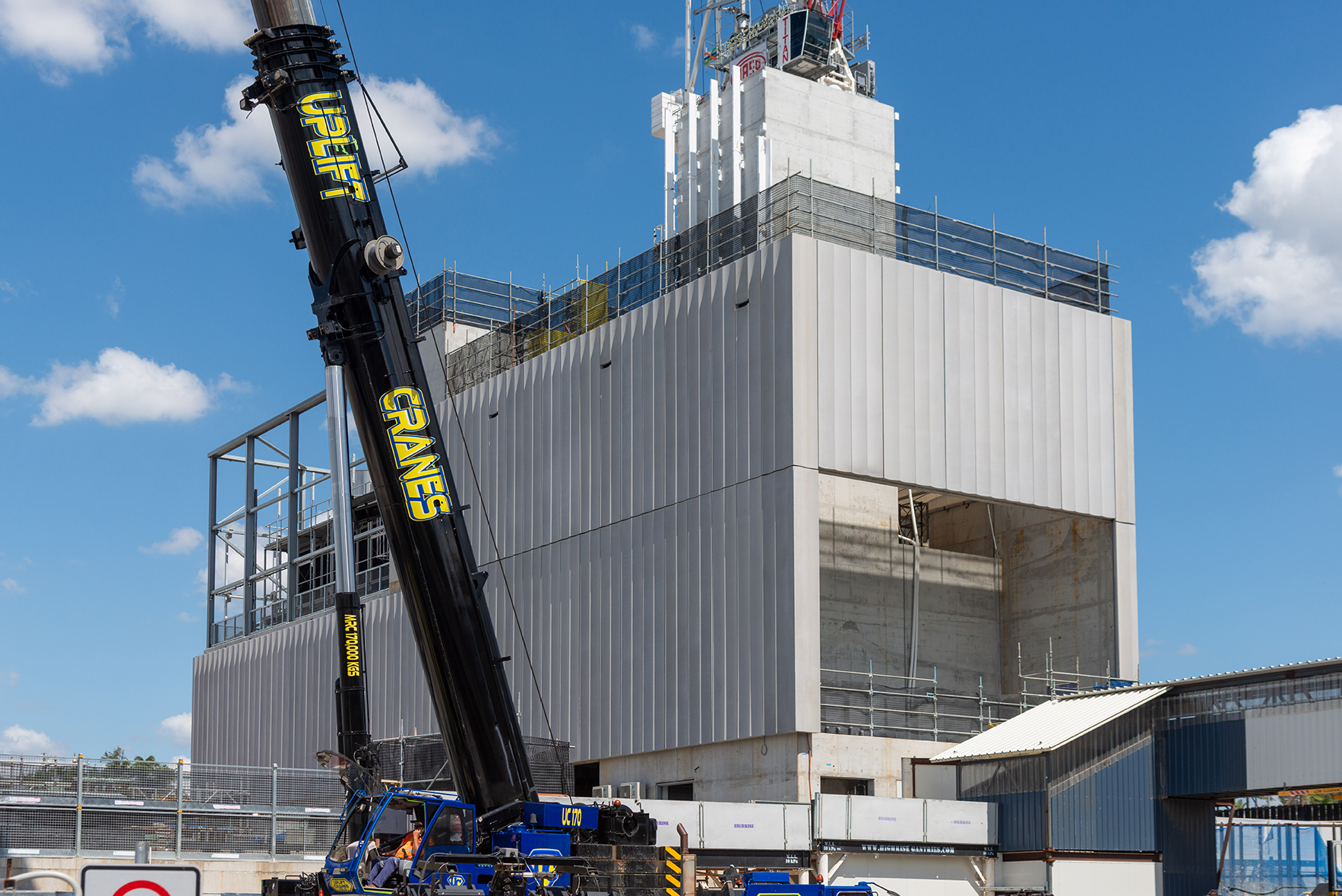
ShapeShift’s RC and GRC panels contributed to the architectural components of the project. These panels were custom-designed to meet specific safety and durability requirements, aligning with the project’s vision of creating a robust yet aesthetically pleasing public space. ShapeShift’s involvement highlights the importance of bespoke materials that cater to large-scale infrastructure needs while adhering to sustainability goals.
The Cross River Rail project exemplifies collaboration among architects, developers, contractors, and manufacturers like ShapeShift, creating infrastructure that not only meets Brisbane’s immediate transport needs but also fosters long-term urban development and connectivity across South East Queensland. For further details, you can explore the project’s official site CROSS RIVER RAIL.
Cross River Rail is Brisbane’s new rail line and station programme. ShapeShift supplied between 10,000 and 12,000 square metres of ShapeShell™-RC glass reinforced concrete for facade, exterior wall cladding and structural finishes, working with HASSELL Studio and Weston Williamson + Partners as architects and the PULSE Consortium as builder. The panels were custom designed against the project’s specific safety and durability requirements.
A commercial facade is specified for a design life of a few decades, is cleaned on a maintenance contract and is looked after by a building manager. A station is not. It is open to the public without supervision, it is used at volume every day, it gets marked and cleaned repeatedly, and the client expects the asset to still be serviceable long after the building industry’s normal horizon.
Public transport clients also apply safety requirements that go well beyond what a commercial specification asks for, because a station is a confined public space where people congregate and where evacuation is planned rather than assumed. Cladding in that environment is assessed on what it contributes to a fire, how its fixings behave, and how it fails if it is struck.
That is why the panels here were custom designed to the project’s safety and durability requirements rather than selected from a standard range. On infrastructure the specification drives the product, not the other way round.
GRC is cement based, which places it in the material family used where the facade’s fire performance governs the selection rather than the polymer composites used for freeform architectural work.
Its second advantage in the public realm is that the finish is the material. A pigmented, mineral-loaded panel has no coating layer to be scratched through, and cleaning a mark off a concrete surface does not remove the surface. A station facade will be cleaned hundreds of times over its life, so a finish that survives cleaning matters more than a finish that looks best on the day of handover.
Panel size is the third. Large thin panels reduce the number of joints, and joints are where dirt collects, where water finds its way in and where a facade starts to look tired first.
Twelve thousand square metres delivered across a multi-station programme run by a consortium is as much a manufacturing management problem as a materials one. Panels made over a long production window for different sites have to match each other, because the stations are read as one piece of public infrastructure rather than as separate buildings.
Infrastructure programmes are also unusually unforgiving. An opening date is announced publicly and does not move to suit a facade, so production capacity, panel scheduling and delivery sequencing carry the same weight as the engineering.
This project used ShapeShell-RC, our GRC panel system.
Browse all ShapeShift projects, or compare the panel materials in cladding panels compared.