
Taronga Zoo
Sydney, NSW
Sydney, NSW
Architect: Cox Richardson Architecture
Builder: Taylor Group
Product: ShapeShell™-RC
Surface Area: Terrace
Application: Planter Boxes
Responsibility: Design, Engineer & Manufacture of Feature Elements
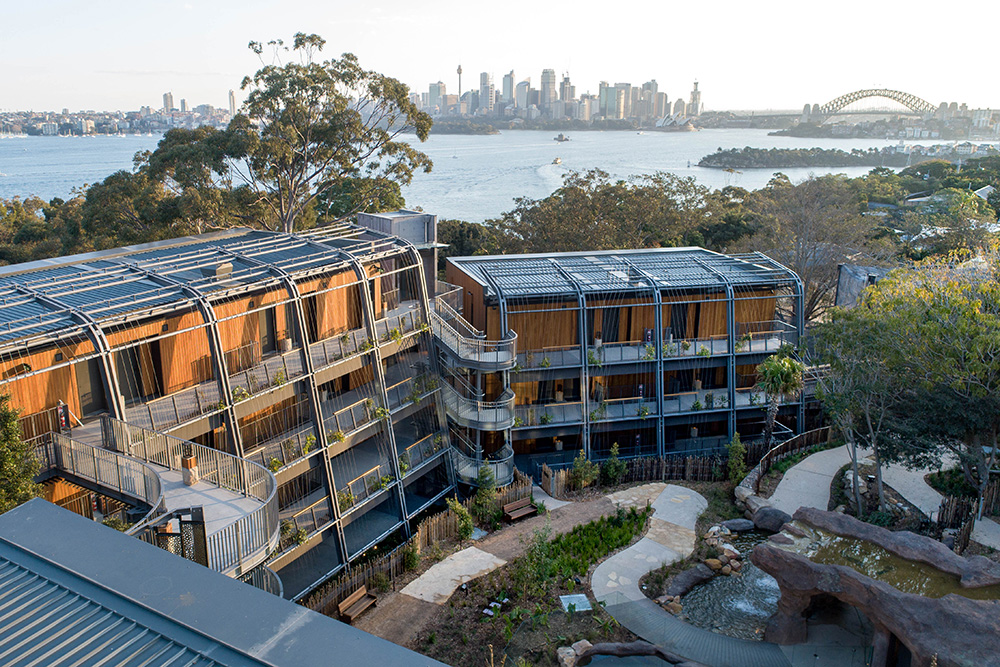
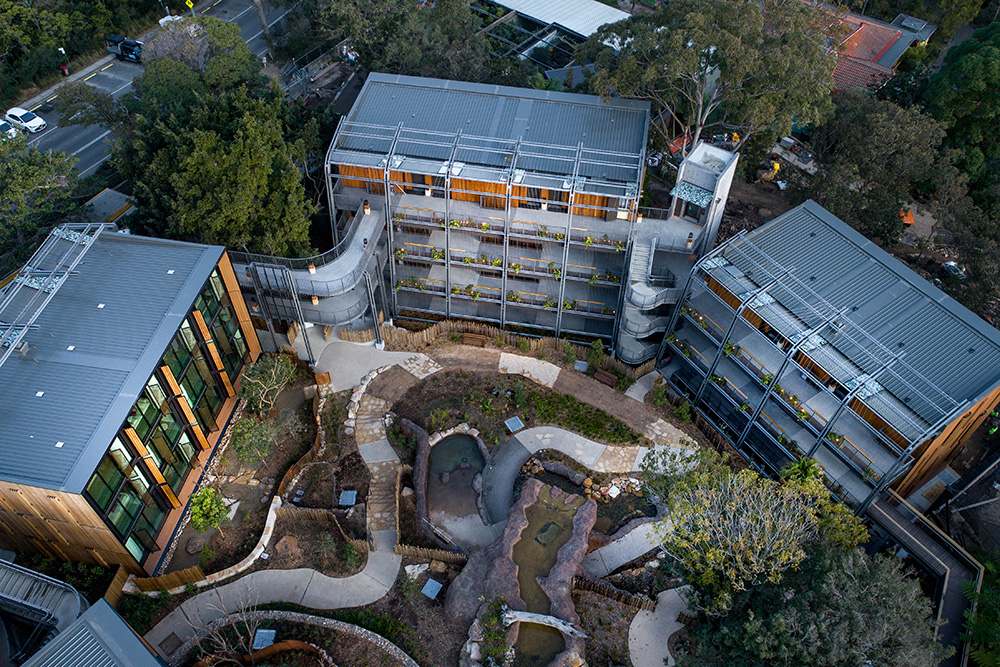
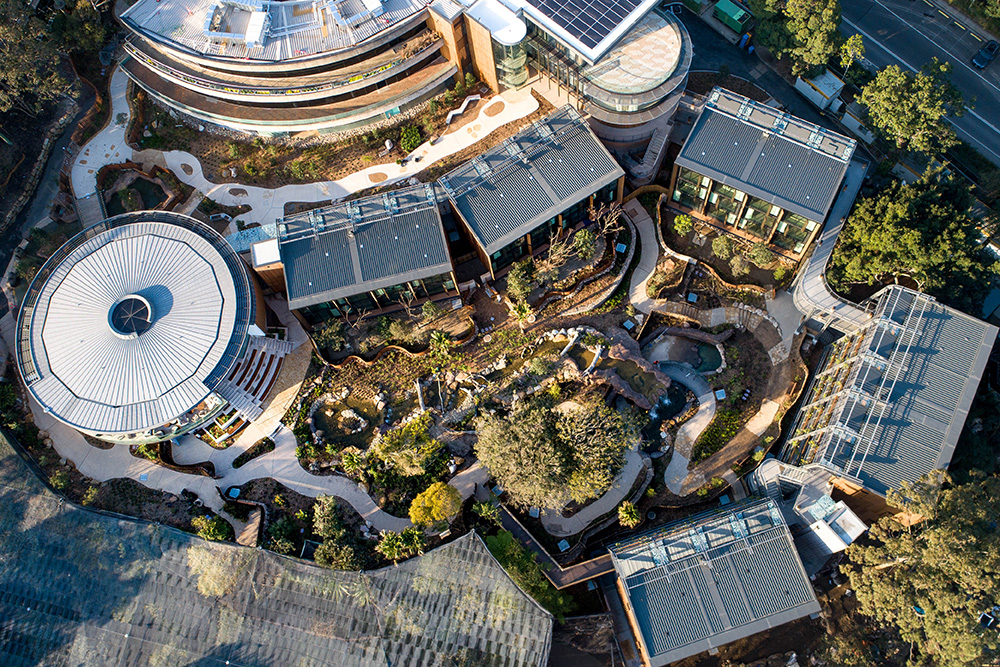
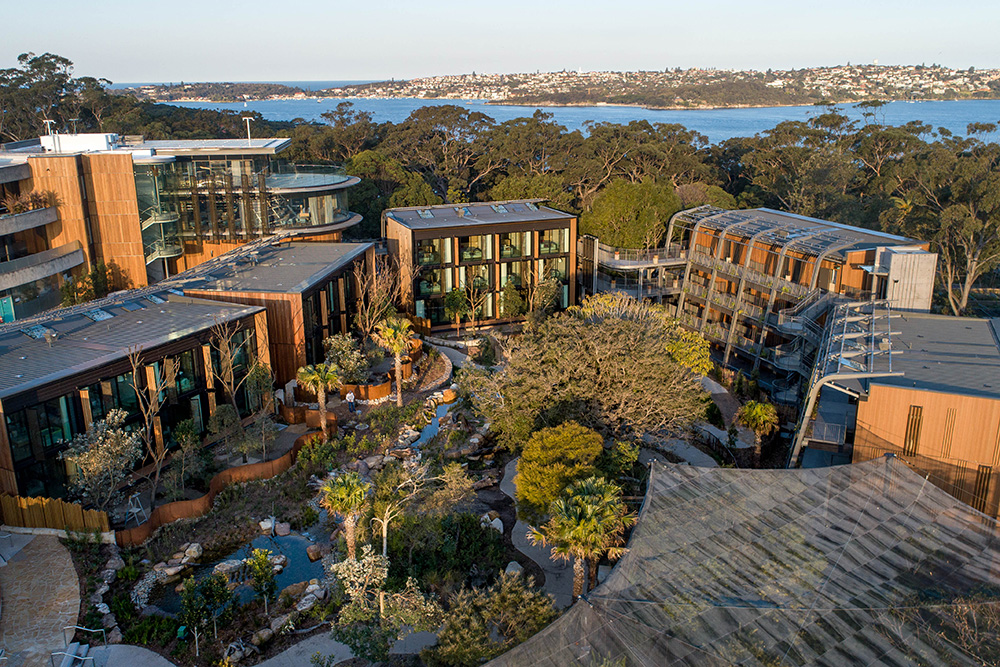
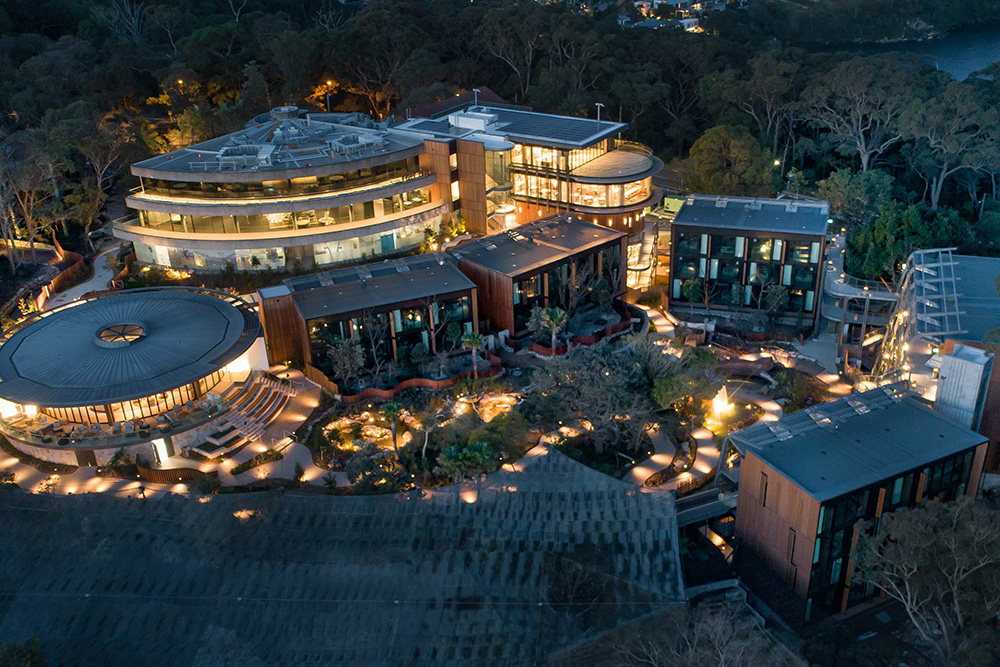
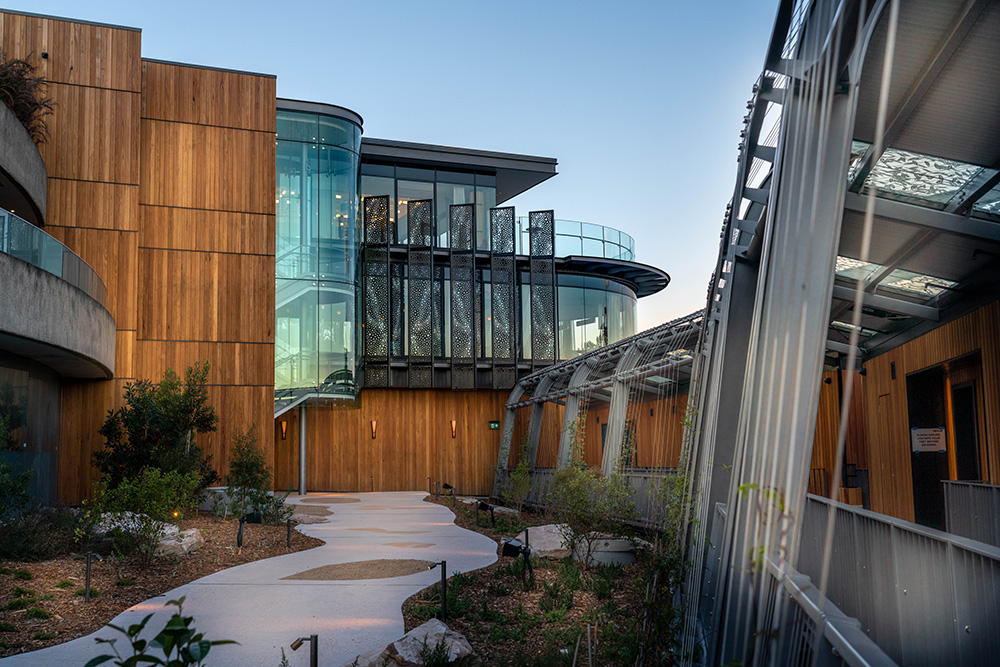
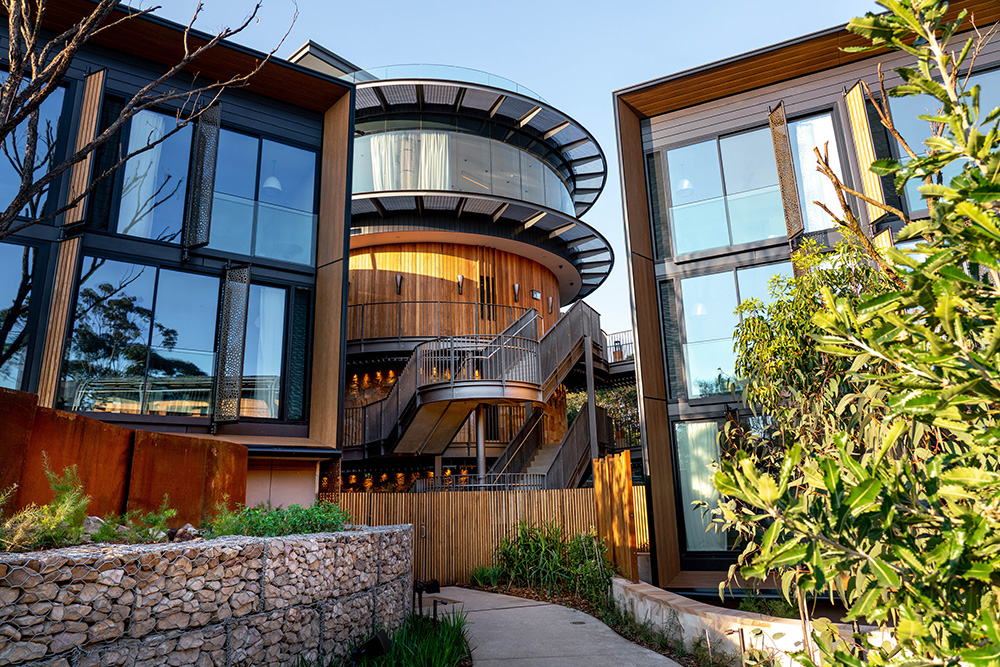
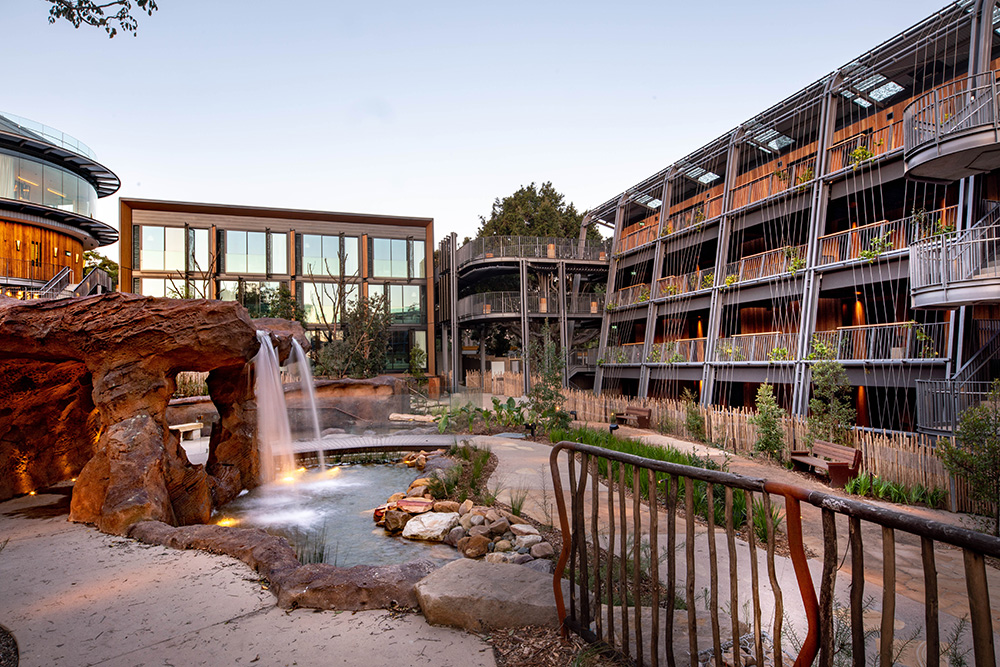
Taronga Zoo occupies a steep harbourside site at Mosman, operated by Taronga Conservation Society Australia. ShapeShift designed, engineered and manufactured ShapeShell-RC planter boxes for a terrace at the zoo, working with architect Cox Richardson, now Cox Architecture, and builder Taylor Group.
| Location | Taronga Zoo, Mosman, Sydney, NSW |
|---|---|
| Architect | Cox Richardson, now Cox Architecture |
| Builder | Taylor Group |
| ShapeShift product | ShapeShell-RC glass reinforced concrete |
| Application | Terrace planter boxes |
| Scope | Design, engineering and manufacture of feature elements |
A planter on a terrace at Taronga is working against three conditions at once. The site sits directly above Sydney Harbour, which is a marine exposure environment for anything built in it. A terrace planter is almost always over occupied or trafficable space, so its weight is limited by the structure beneath rather than by what the element itself could carry. And a zoo is a public place at a scale of millions of visitors, where a chipped edge or a rust stain is seen constantly and repaired at the cost of closing the area.
Glass reinforced concrete removes the failure mechanism that usually governs a landscape element in a marine environment. There is no steel in a ShapeShell-RC planter, so there is nothing to corrode against permanently damp soil and no cover concrete setting a minimum thickness. That makes the element far lighter than a cast or precast equivalent, which is what allows a substantial planted edge on a terrace without adding structure beneath it. The units were moulded to the designed profile and finished with colour through the section, so surface wear in a high-traffic public setting does not expose a different material underneath.
The planters read as built landscape rather than as containers, holding soil volume and plant mass on a terrace where weight was the binding constraint. It is the same engineering logic ShapeShift applies to cantilevered planters on existing facades and to public art fabrication: form the element thin, take the steel out, and let the geometry do the work.
The same constraint recurs across zoo and public landscape work: planted edges are wanted everywhere, and almost none of the terraces, roofs and podiums they sit on were designed to carry wet soil in a cast concrete container. Taking the steel out and forming the element thin is usually the difference between a planter that can be built and a planter that gets value-engineered out of the drawings.
Related: ShapeShell-RC, architectural bespoke solutions, public artwork, all projects.
This project used ShapeShell-RC, our GRC panel system.
Browse all ShapeShift projects, or compare the panel materials in cladding panels compared.