ShapeShift Technologies develops fibre-reinforced materials for public artwork that can be formed into unique and intricate geometries. The material’s flexibility in shaping allows artists, architects and designers to explore forms beyond conventional construction materials, while maintaining the required durability for outdoor applications.
A wide range of colours, textures and surface finishes can be specified to align with the artist’s design intent, from smooth and polished surfaces to exposed aggregate, cementitious and metal finishes.
ShapeShell™ materials support the realisation of complex geometries and detailed designs, allowing artists to achieve their creative visions with high precision.
The lightweight nature of ShapeShell™ facilitates easier transportation and installation, while maintaining the necessary strength and stability for large-scale public artworks.
Engineered to withstand environmental factors, ShapeShell™ ensures longevity and minimal upkeep for outdoor installations, making it suitable for various climates.
ShapeShift Technologies provides end-to-end services, including design, engineering, and manufacturing, ensuring cohesive project development and adherence to artistic intent.
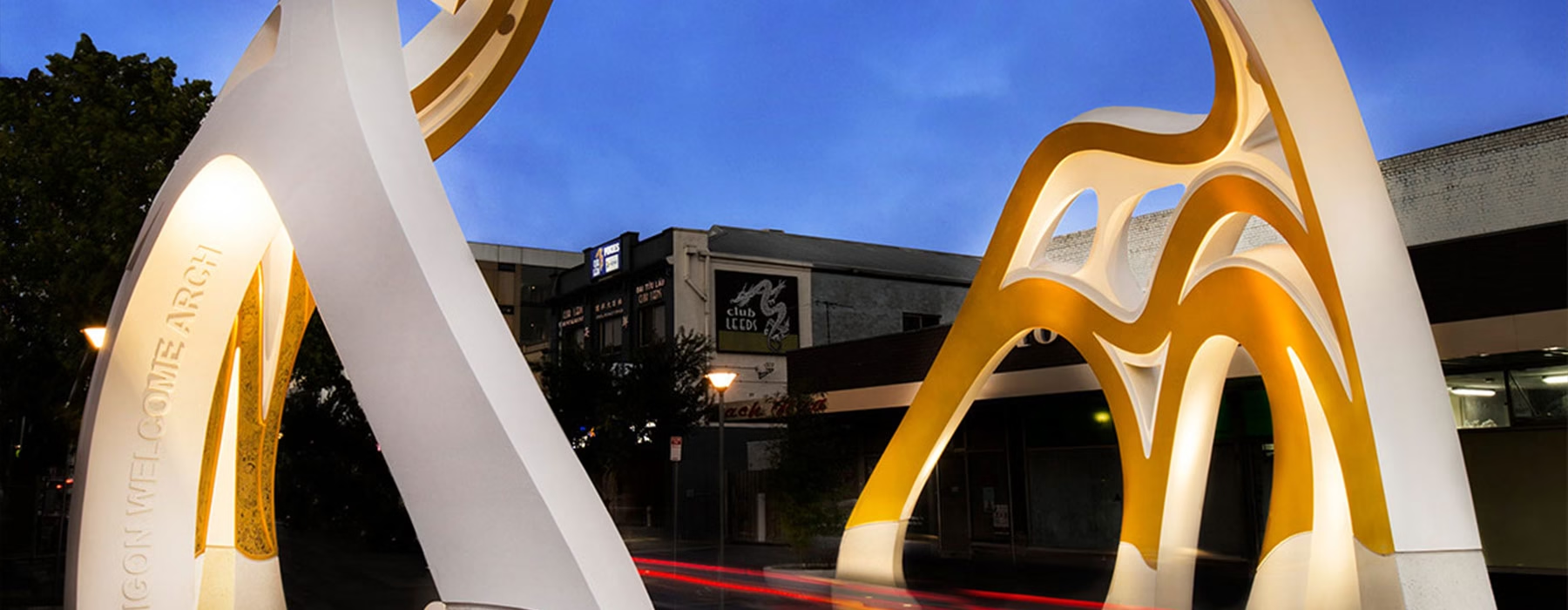
A decorative and symbolic archway marking a community entrance, for creating intricate, culturally significant shapes. Project example >
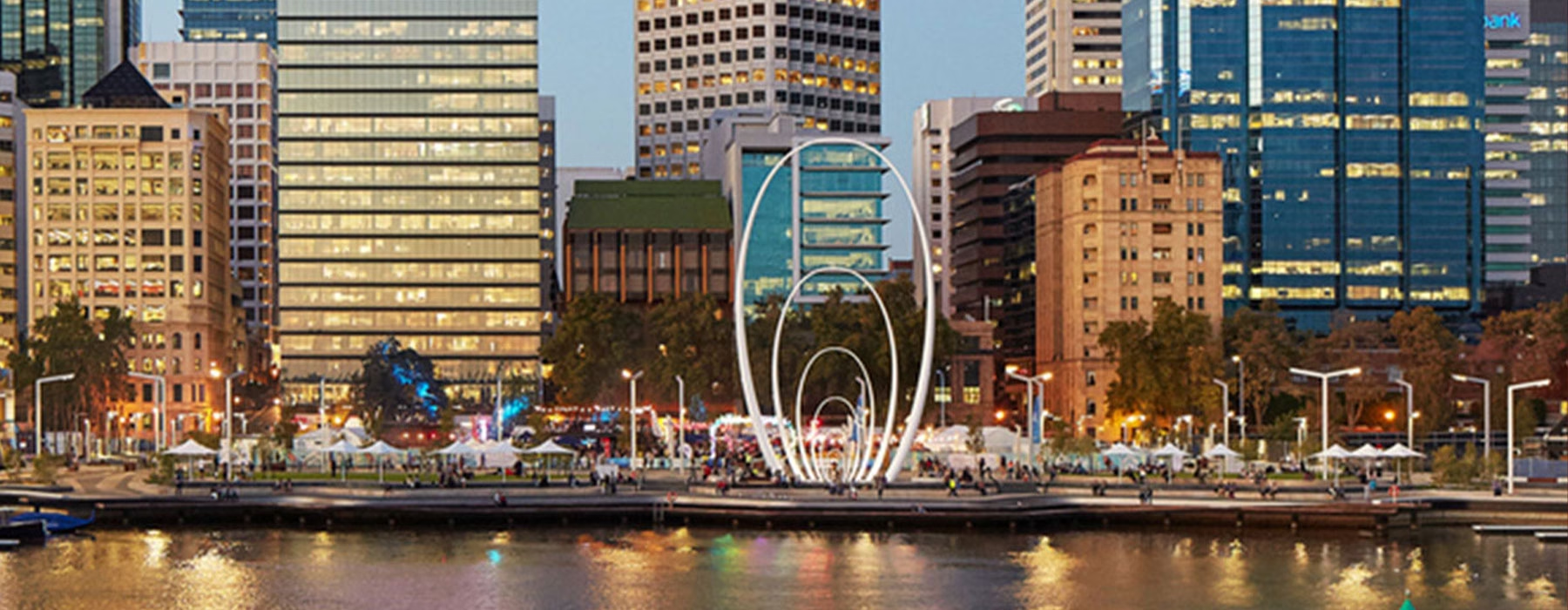
A towering, spiral-like sculpture with sweeping curves, highlighting ShapeShell™’s flexibility in creating organic designs. Project example >
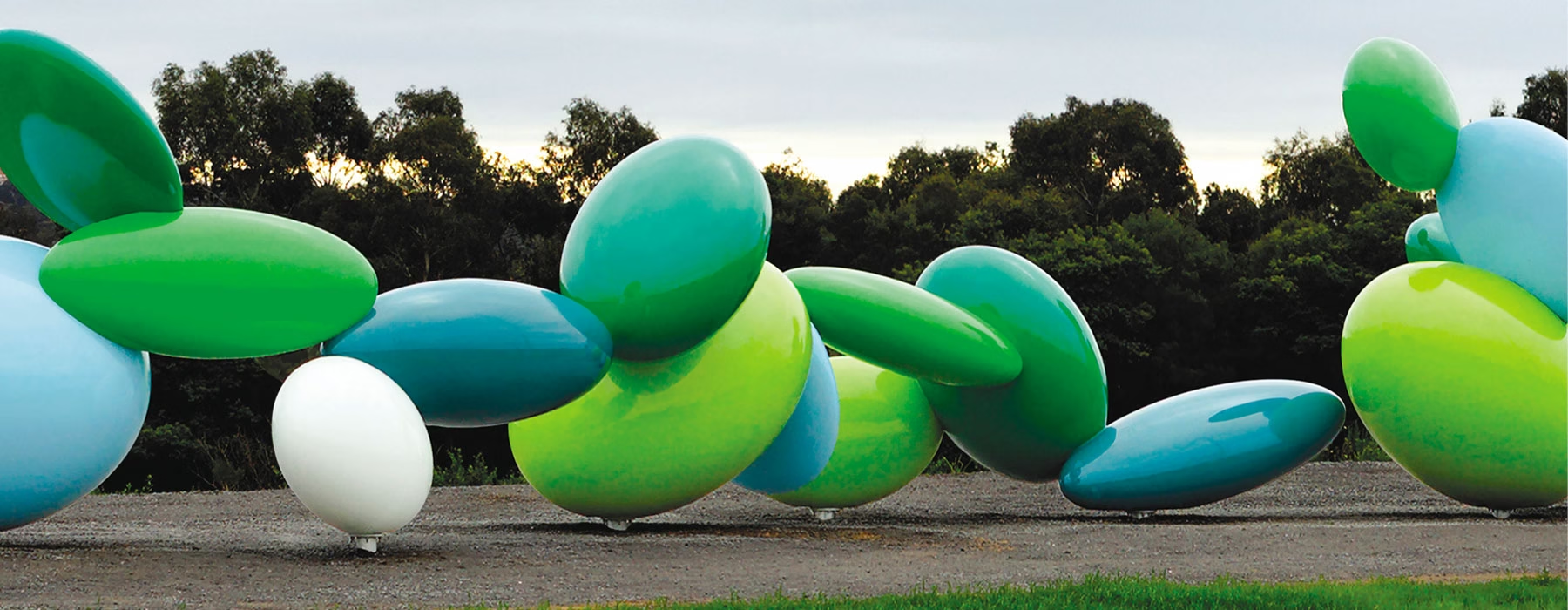
Decorative, cultural, and futuristic shapes for significant use to mark important public community or heritage locations.
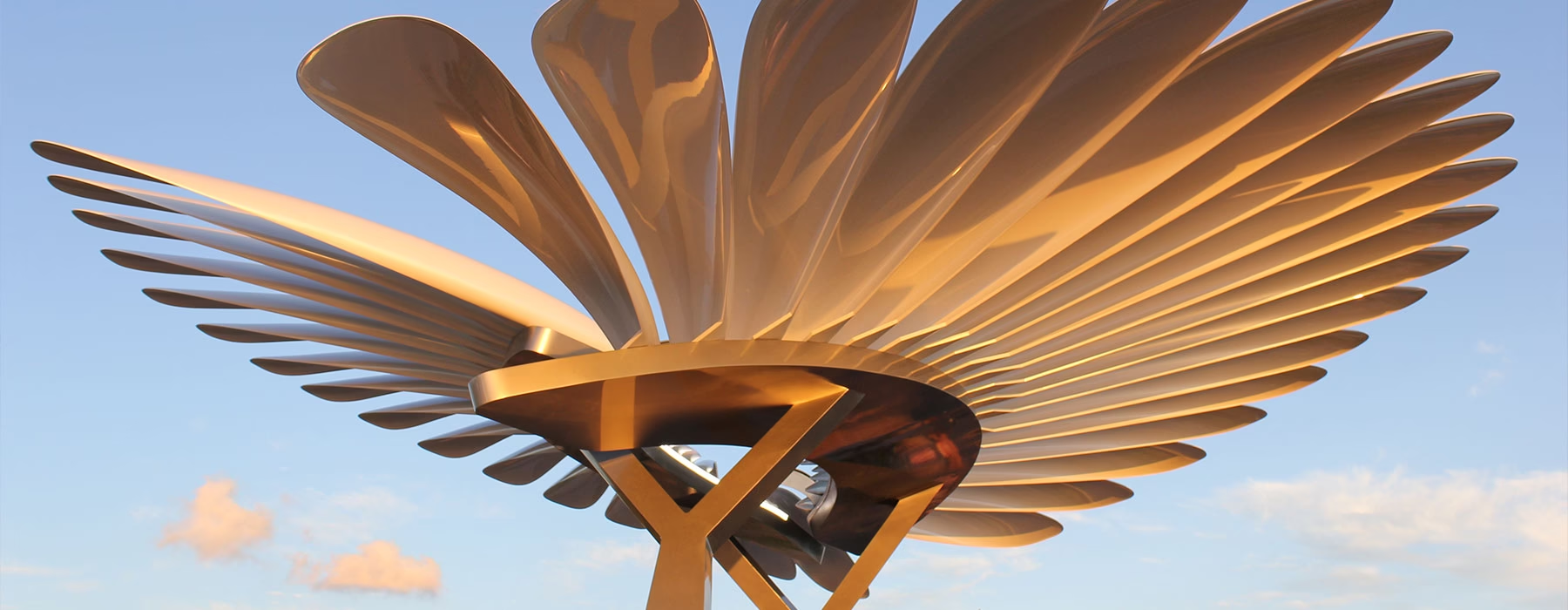
Combines artistic expression with practical urban infrastructure. Encourages public interaction and social gathering in designed spaces.
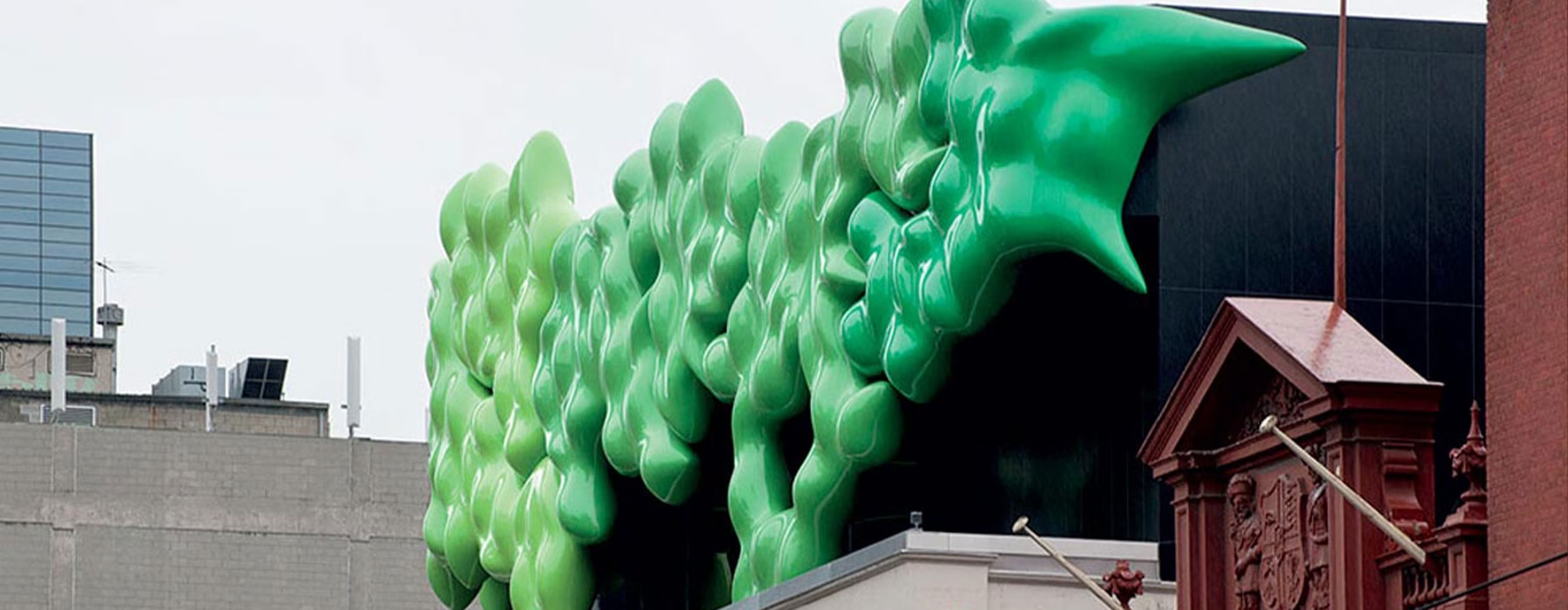
Custom panels with artistic reliefs or decorative patterns for walls or standalone installations, suitable for urban spaces or building façades. Project example >
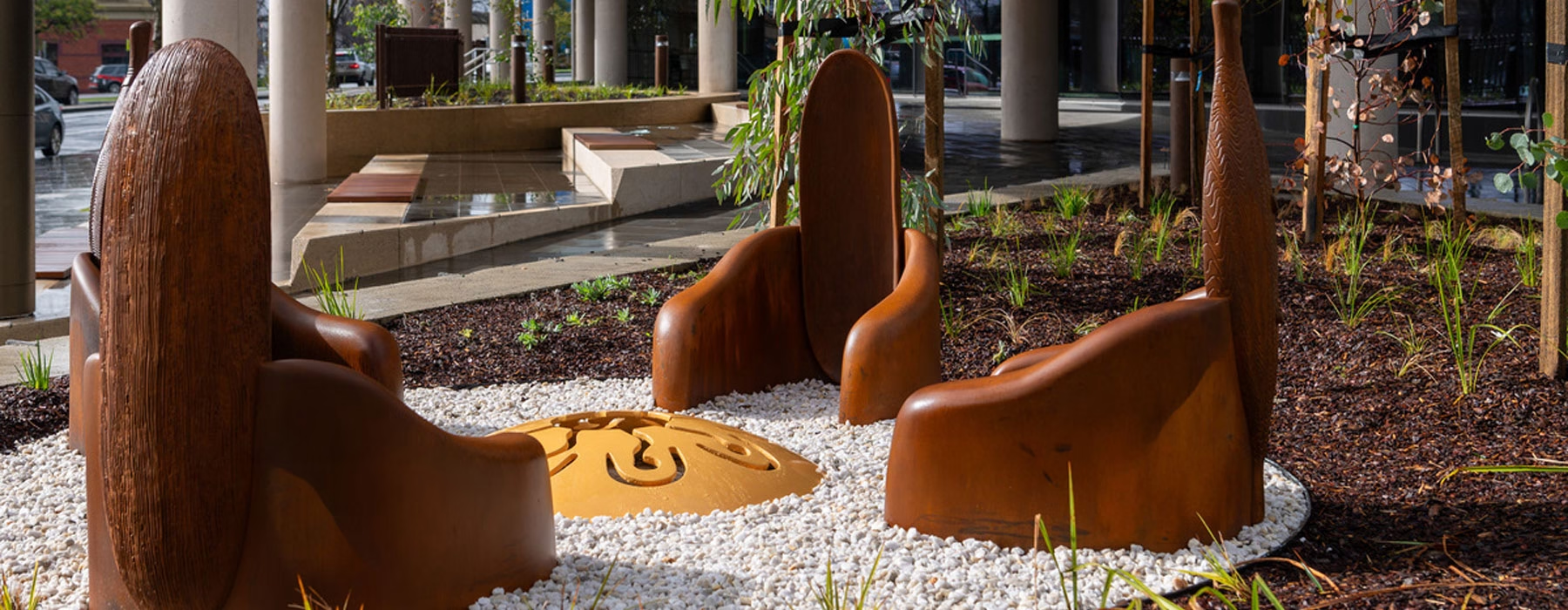
Bring Indigenous stories to life through durable and visually striking materials to integrate Aboriginal patterns into contemporary architecture. Project example >

A seamless integration of function and art. The project turns a practical vent into a striking visual statement. Project example >
Public artwork involves using ShapeShell™, a fibre-reinforced composite material, to create complex, durable, and visually striking designs. ShapeShift Technologies specialises in delivering custom shapes and structures tailored to the artist's vision, supported by advanced manufacturing techniques for precision and durability.
Public art fabrication is the process of turning an artist’s concept into a permanent, engineered object that can stand in a public place, survive weather and contact, and satisfy a council or authority that it is safe. It sits between sculpture and construction. The artistic intent has to survive engineering, and the engineering has to survive the site.
ShapeShift works from the artist’s model rather than reinterpreting it. The same digital surface the artist approves is what drives the mould, so the curvature, the edge radii and the surface transitions that make the piece read correctly are the ones that get built.
Most public artwork fails on one of three things: weight, weather, or the joint lines. Composite addresses all three at once.
Where an artwork genuinely needs the mass and thermal behaviour of concrete, ShapeShell-RC is the GRC route and gives the same geometric freedom in a cementitious material.
We work from the artist’s model. It is developed into a buildable surface with panelisation and structure resolved, but the approved geometry is what drives the mould. Redrawing is where artworks lose the line the artist intended.
Yes. The internal structure, fixings and footing interface are engineered and documented so a certifier has what they need for wind, live load and impact. Public artwork is treated as a structure, not a prop.
The laminate does not corrode, and resistance to UV, salt and moisture is built into the material and finish system rather than relying on maintenance coatings. That is the reason it is used in coastal and high exposure locations.
Yes. Colour, texture and sheen are decided at the finish stage, so one form can read as off form concrete, stone, a metallic, or a saturated colour. Finishes are signed off against a physical sample.
Piece size is usually set by the transport and crane envelope rather than by fabrication. Larger works are split into sections, trial assembled in the factory, and joined on site at lines chosen to suit the form.
Inquiry Your Project

